
Visiting churches with my camera
One of the delights of this summer is visiting old country churches that, while no longer used by a congregation are lovingly kept up and open to the public. They make wonderful subjects for the camera.
My first visit was to Ste. Thérèse Church in Cardinal, an unincorporated community consisting of a handful of houses and the church.

This was the largest of the churches I found and the only Roman Catholic one. It was the “newest” church of the three I visited being constructed in 1927-1929.

This was the only church with statuary, with Mary on the right, Joseph and child on the left, and the namesake saint in the middle.

It had an impressive bell tower.
Late last week I visited two other churches south of Manitou.

St Luke’s Anglican Church - Pembina Crossing was built in 1922 to replace and earlier church that burned down.

The interior is lined with unpainted boards giving it a warm feel. It has an impressive altar and painted triptych.


I then moved on to St. Mary’s St. Alban’s Anglican Church. In what is now sparsely populated farmland these two churches are only 8km (5 miles) apart. This was the oldest of the churches being built in 1892 and an impressive 28 x 44 ft stone structure.

While the oldest structure it seemed the most modernized with carpeting on the flooring and quite hideous fluorescent light fixture at the peak of the ceiling. I’m curious if the curtains in the front were there when people worshipped here, or if there had been stained glass in those front windows. I find the cross design with the circle and the round ends curious, as well as the designs above the doors on either side. I’m sure these have some significance.
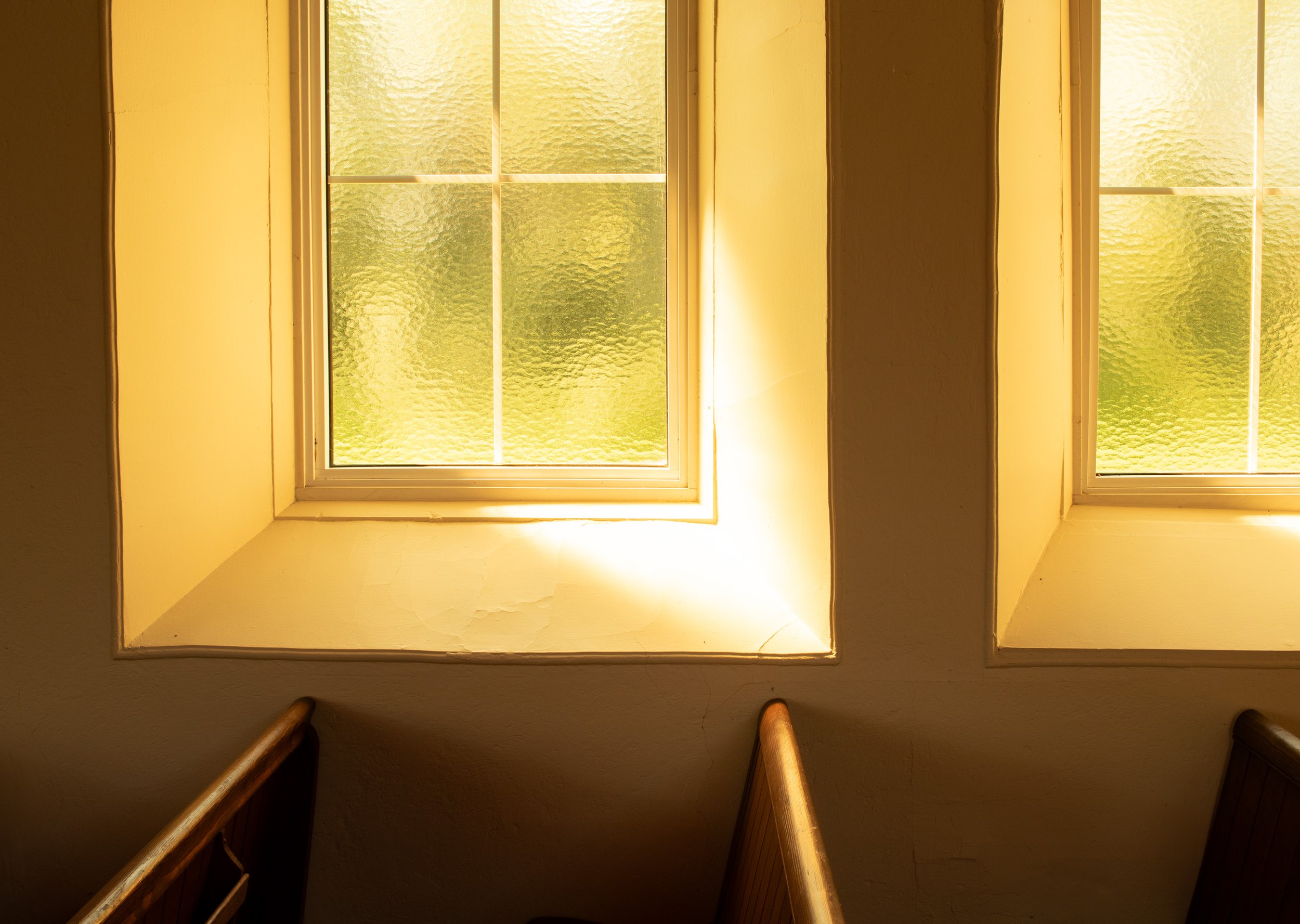
The thick stone walls were covered with plaster on the interior.

I was amused that the bible on the podium was opened to the Song of Solomon.

I went through the door on the right side and found a tiny room with this little setup. It seems like a space with stories to tell.

Reading the Bible with head and heart
This was originally published in Anabaptist World but as the article can’t be shared on Facebook in Canada, I’m reposting it here. Thanks Meta.
I have always been steeped in the Bible. In childhood, daily Bible reading was encouraged and occasionally accomplished. I studied the Bible in youth group and argued about it.
My understanding of the Bible started to change when I attended what was then Canadian Mennonite Bible College. I developed an appreciation for the Old Testament/Hebrew scriptures. I encountered scholarly approaches to the Bible that challenged my childhood readings. This did not lessen my faith but created more questions where answers used to be.
Later I attended Anabaptist Mennonite Biblical Seminary, where I learned Hebrew and Greek and discovered new meanings behind the English translations.
At seminary the Bible was not only a subject for academic study but an essential resource for worship and faith formation. I learned to encounter the Bible with head and heart.
Since leaving seminary, my knowledge of the biblical languages vanished, but my appreciation for the Bible and its place in my life has not waned.
A few years after graduation I became connected to The Hermitage, a contemplative retreat center in Michigan with Mennonite roots. Once again, my understanding and approach to the Bible took on a new shape.
As I drew closer into a contemplative life of the spirit, I developed new Bible practices. I learned a deep appreciation for the psalms. I learned of the Rule of Benedict, which instructs the monks to pray all 150 psalms each week. While that seemed too ambitious, I began praying through the entire Book of Psalms each month and continued this practice for several years.

Vine covered St. Francis in a garden at The Hermitage.
I also learned more about and practiced lectio divina, a slow, meditative reading of scripture. Lectio includes lots of space for silence, listening and prayer. I open myself to be formed and transformed by the text.
Since moving to Winkler, Man., and joining Covenant Mennonite Church, I’ve begun a Monday night contemplative prayer group. We gather for 20 minutes of silence and then enter a pattern of lectio divina. We read a piece of scripture and sit in silence, reading again and returning to silence. We read the chosen text five times, always followed by silence.
As we read, I encourage others to pay attention to a word or phrase that speaks to us. With a later reading, I invite us to listen for what God might be saying to us. And then, with another reading, we consider what our response to God might be.
After all the readings and silence, we share what we heard or felt through the text. It is a powerful experience to hear how people have met God in these times of reading and silence. My friends’ thoughts enlarge my understanding of the text and of God.
I do not disregard my academic training. My education enriches my experience of scripture. I do, however, hold my critical understanding of the Bible with more humility. I can’t hear God’s voice solely with my intellect. God’s voice is a gift freely given to those willing to listen.
Our Anabaptist ancestors knew the importance of studying scripture in community. Michael Sattler wrote, “The one to whom God has given the best understanding shall explain it; the others should be still and listen.” This understanding was not limited to academically trained or religiously ordained minds.
These Monday evenings gathered with scripture and silence have become my most rewarding experience of holding on to this Anabaptist practice. We listen for our soul’s best understanding to be revealed deep within. Like our Anabaptist ancestors, we are led by the Holy Spirit as we read, listen and pray.
Kevin Driedger of Winkler, Man., is a member of Covenant Mennonite Church. He is interested in the intersection of Anabaptism and contemplative practices.

Visiting St. Therese, or, f/8 and be there
I often succumb to the temptation to sit inside and watch videos of photographers rather than going out with my camera and actually taking pictures myself. A video by YouTube photographer Thomas Heaton reminded me of the expression “f/8 and be there.” The expression is attributed to the photographer Weegee. It is most often used in documentary photography emphasizing the importance of being there and simply capturing the moment, over worrying too much about perfect technique. For me, however the phrase is similar to the quote attributed to Wayne Gretzky “You miss 100% of the shots you don’t take.”
The most important thing for me to do photography, and seemingly one of the hardest things for me to do is simply grabbing my camera equipment and heading out with the intention to take pictures.
So, motivated by that spirit I headed out Sunday afternoon to the tiny village of Cardinal, Manitoba, whose population may reach the double digits. It is home to the Ste. Therese Chapel, a restored old, prairie, Catholic Church. It is currently more of a museum piece than home to a parish. I also stopped and caught a few pics along the way.
(Thanks to Jolene at Pembina Valley Go for making me aware of this chapel.)

Along the way I drove through a large windfarm. I was particularly struck by the patterns in the field. I wish I could have made the windmills “pop” a little more.

Also along the way I stopped in Miami to capture some pics of their historic train station.


The Ste. Therese Chapel has a very impressive spire. The church faces north, which means the face of the church is mostly in shadow which is less than ideal.


I really liked the spire/bell tower.

Saint Therese of Liseaux was a 19th Carmelite sister also known as the Little Flower of Jesus. She is renown for her spirituality of the little way, or simple way of a life of doing little acts of love.

The simple rose window of the chapel. There is something about the presence of the ladder that I really enjoy in this picture.

On the way home I saw this empty road in my rearview mirror and needed to stop for the shot. f/8 and be there!

Living Spiritually More With Less
We are started a new worship series on the Beatitudes in our church with members invited to offer a brief personal reflection on the Beatitude for that day. I had poverty of spirit and wrote this.

In 1980 Herald Press published Living More With Less a companion to the More With Less cookbook. It promoted a “lifestyle” – although the author preferred the phrase “life standard” – of simple living. It includes many tips and ideas people had supplied for such things as how to make sandals from old rubber tires. (It was the 70s)
As I’ve been thinking about the beatitude of blessed are the poor in spirit, I’ve imagined writing a follow-up volume of Living Spiritually More with Less.
As Living More with Less was about taking on a certain voluntary poverty – at least a poverty of unneeded resources – a volume on poverty of spirit would be about getting rid of all those unnecessary things that distract our spirits from our true life in God.
Poverty of spirit means loosening our grasp on those things which give us a sense of security – including our resources, our independence, our ability to control our fate, our identity, and even our lives.
Living with a poverty of spirit means a radical detachment from everything but the one good thing, the one pearl of great price, and that one thing is God alone.
As Pope Francis wrote “Dependence on God liberates us from the exhausting quest for self-sufficiency.”
Living with a poverty of spirit is a life of deep humility and unending openness to the spirit of God.
Living with a poverty of spirit is living with a never-ending consent to the will of God.
So, that sounds wonderful and pious, and the obvious truth is I am so far from living with this poverty of spirit. I sadly remain deeply convinced of the necessity of all those distracting things that I look to for security. Rather than living More with Less I find living “a bit” with “enough” is much less risky. It’s just so hard to let go; to live into a poverty of spirit.
But I know I am not alone, and just like the book Living More with Less is filled with people sharing simple little practices to get a closer to the goal of a more just/responsible life, so too my Living Spiritually More with Less would rely on the wisdom and experience of the community for simple steps to help us move towards a life of poverty of spirit.

Playground abstracts
As one with an attraction to abstract images modern playgrounds are a wonderful source. These are from a playground near our house.



It is both amusing and humbling when your favourite pics are ones where I just held the camera without looking at the camera viewfinder/screen. (no editing on these pics)


Extravagant Worship

Sermon based on Mark 14:1-11 (Covenant Mennonite Church, Winkler, MB)
Peoria Mennonite Fellowship in Peoria Illinois was a small but quickly growing and vibrant Mennonite church. They met Sunday evenings renting use of the sanctuary of the local Episcopal (or Anglican) church. The building was in an older and increasingly lower-economic area of the city. While this Mennonite Fellowship was growing and full of life, the Episcopal church was shrinking and aging, and finally the diocese decided to close the church. These two congregations had a strong relationship sharing worship a few Sundays each year, and the Episcopal Diocese offered to sell the old church structure to the Mennonite Fellowship for $1. The Fellowship knew the place needed some updates, and maintenance would be ongoing but were thrilled at all the new possibilities a large facility could provide them, so they purchased the church. They had several visioning meetings about how they could make use of the space. There were dreams for an after-school drop in center for the local children, creating a free-store with donated items and food, providing office space for some non-profits working in their community. They had all sorts of ideas of how this space could be a center for justice and community making.
One day a long-time member and retired music professor met with the pastor over coffee and told him how excited he was about the new place and all the opportunities, and then said he would like to donate $350,000 for the purchase and installation of a beautiful new pipe organ. He could also arrange for organists to play.
All these dreams of serving the community and now $350,00 – for a pipe organ. What should the church do?
We will return to them, but now let’s turn to our text. Our text tells us two stories. At the beginning and end it is the story of people in the shadows, scheming for ways to end Jesus’ life, and in the middle a story we hear of anointing, and people’s response.
Beginning with the beginning of our text. We are two days before the Passover. Two days before the celebration of God passing over the houses of the Israelites in Egypt and killing the first-born sons of all the Egyptians. Two days before retelling this story; two days before celebrating God sparing their life, the religious leaders are plotting to take a life. In John’s version of this story (and a version of this story appears in all four Gospels) the Sanhedrin, or Jewish leaders want Jesus dead, so that he doesn’t cause a disturbance and Rome doesn’t take their power away. The life and ministry of Jesus was a threat to their tenuous power and stability. And we know that when we get to the end of our text these leaders are one step closer to carrying out their plans.
In the Gospel of John’s version, Caiaphas, the high priest says that it is better that one man die than the whole nation. The end goal of maintaining political their power justifies the means of the death of one man. “Peace” by any means necessary. Martin Luther King Jr. said, however “Peace is not merely a distant goal that we seek, but a means by which we arrive at that goal.” Peace by means of death is no peace.
But that scene now falls into the background and next we find Jesus in the house of a leper – violating all sorts of laws of cleanliness. Another example from Jesus’ life of moving from exclusion in towards inclusion. And it’s noteworthy that in the middle of a very stressful week, Jesus is visiting and dining with outcasts.
And as they sit there, a woman with an alabaster jar of “very costly ointment” shows up. A few weeks back we heard Rita’s wonderful reflection on this woman from the Luke text, but our Mark text has some significant differences. She anoints his head, and not his feet as in Luke, and in Luke nothing is mentioned of the value of the perfume in her bottle. But here in Mark we are told it is expensive perfume, and we soon hear more details of its value. And after this act of anointing, of devotion and deep love, some present at the meal are indignant and ask “Why was this oil wasted in this way?”
Why was this oil wasted this way? Through this act this woman demonstrates her deep devotion and extravagant love for this Jesus, and these people, and I think we can safely assume these people are men, look at this act of devotion and see nothing but waste. This act serves no useful purpose. The cost benefit ratio of this act is absolutely zero. Then they comment – “it could have sold for more than a year’s wages”. She was busy anointing Jesus in love and they were busy figuring out the market value of a jar of nard. Her worship was surely not as valuable as more than a year’s wages. And think of all the good and noble things they could have done with that money. (I have to think this expression of concern for the poor comes across as a little bit of convenient, self-righteous piety compared to this wasteful and thoughtless woman. I wonder if in their hearts they were thinking of other, less noble ways to spend that money.)
“And they rebuked her harshly.” They shamed her. Shaming this foolish woman who just wasn’t thinking logically. This woman was just squandering her resources. This is a ridiculous woman.
Now let’s stop this story for a bit. Place yourselves in the shoes of the disciples. How would you have felt seeing this extravagant and expensive act? Whether out loud or in your heart wouldn’t we be thinking about all the better and more just and useful ways we could spend that money? Isn’t this Less with More and not More With Less? Would we be thinking about all the poor you could feed? I’m guessing we would.
But Jesus rebukes the men just as he rebuked them when they attempted to keep the children from him. Jesus states “She has done a beautiful thing for me.” These guys saw poor economic decision making, and Jesus saw beauty. A beauty that had no price. Where Jesus saw love they saw economic value that could be turned into charity.
And I love Jesus simple statement “She did what she could.” You disciples are sitting in judgement and she is doing what she could. What she could do is worship and love Jesus and prepare Jesus for his death. And she did it in the most beautiful way. Like Jesus’ reply to Martha “There is need of only one true thing, and this unnamed woman has chosen the better part.”
This kind of anointing that Jesus received was typically reserved for the crowning of a king, and for preparing a body for burial. In this act the unnamed woman accomplished both purposes.
And where the men wanted to shame and dismiss her as being counter to the good work of Jesus, Jesus in turn praises her and say that the story of her and what she has done will be an essential part of hearing the good news for all the years to come. This act of reckless, wasteful love would be central to the proclamation of the kingdom of God. The kingdom of God is like expensive perfume running down your hair and face.
And after this scene where this woman comes into the house and comes toward Jesus, Judas in turn, leaves Jesus and leaves the house to bring us back to our opening scene of leaders plotting Jesus’ death. Judas goes to the chief priests and offers to betray Jesus. And here too, just like worship had a price, so to betrayal has a price – and betraying Jesus brings 30 pieces of silver. Wikipedia tells me that was about 4 months of pay. Far less than that bottle of perfume cost.
These scenes of assigning economic value to acts of worship and acts of betrayal portrays some of the violence of this text. In this text love, worship, beauty, betrayal, life all can be bought and sold for a price. And the market says that extravagant expressions of love and devotion just aren’t worth that much, beauty isn’t worth that much, life isn’t worth that much, but chief priest and scribes holding onto power is worth a whole an awful lot – at least to the chief priests and scribes.
--------
Sometimes I’m concerned about the language I hear about immigration in Canada. In conversations about immigration, I often feel like immigrants are seen as a commodity we need to keep the machines of Canadian capitalism running. We need bodies that can work in our factories to make more widgets, and then buy the widgets, and then pay our taxes, and increase profit margins. We need the economic values of immigrant labour to prop up our economy. This is a horribly misplaced value. It’s like looking at your young child and calculating how many hours of free labour you will be able to extract from her. Human life is not a commodity.
In this text moving toward Jesus is love, and moving away from Jesus is death. In this text we see the powerful plot death, while the powerless worship, love, and anoint a new king. In this text the violence of heartless, economic values finds its opposite in beauty and extravagant worship.
Jesus’ rebukes putting a price on love and beauty. The value of these things are far beyond any market capitalist price. Beauty and worship and life cannot be bought and sold. They are all gift.
Christ emptied himself and came among us to demonstrate to us of the immeasurable value of each person: the lepers, the unnamed women, and even the chief priests. How can we but join with this woman and worship such a Christ.
And so I guess I should return to our Peoria Mennonite Fellowship – they had received this expensive and extravagant offer of a pipe organ when their focus had been directed to serving their community. What do you suppose they did?
I have no idea, I made it all up. Personally, I hope they accepted and celebrated the pipe organ, and were deeply moved in worship by the beautiful sounds echoing and resonating throughout their new church building as they blessed the food for the homeless.

My year in pictures

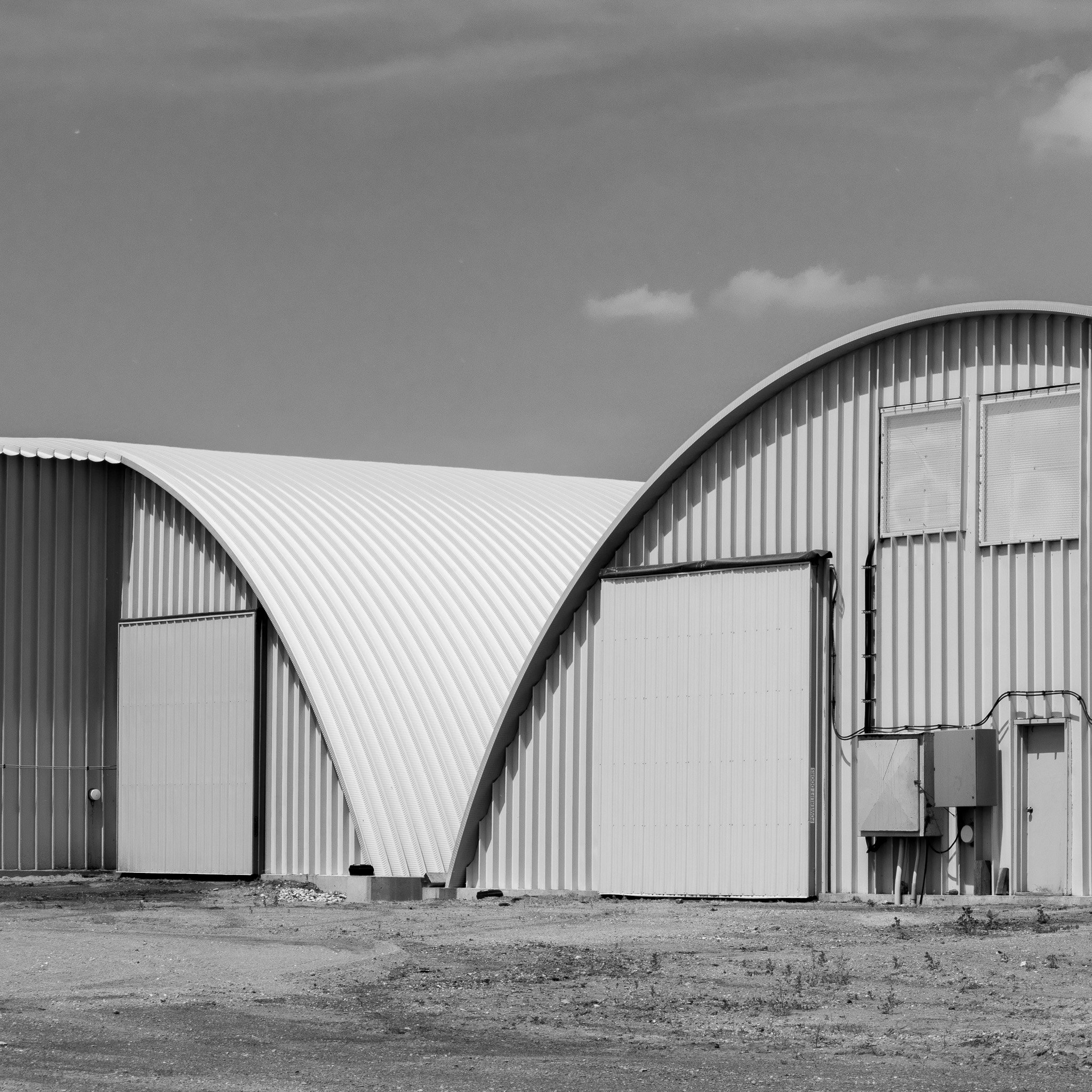
I found this to be a very challenging year for me photographically. I feel like I didn’t take enough pictures, and I really didn’t take enough pictures that I like, and took even fewer pictures that inspire me to take more similar pictures. I also know that as I get better at this (which I hope I am) I am a harsher critic of my work.
Below are some of my favourites from the year. I would be hard pressed to explain what appeals to me about some of these pics, but these are the ones that still capture my eye.







I also did some portraits - some of myself, and some of others that I’m pleased with. The two portraits not of me were done for a local “Faces of Winkler” exhibit.
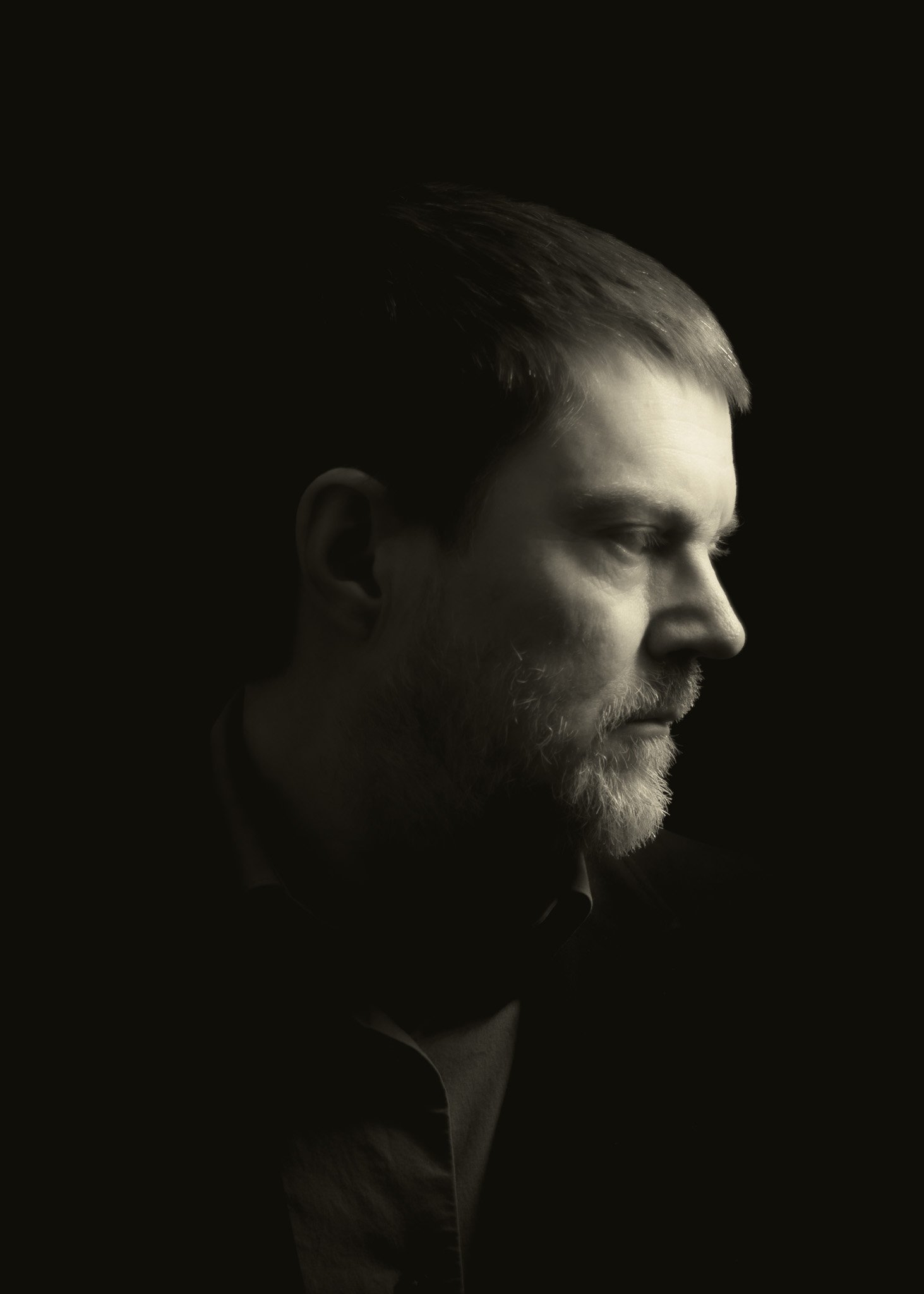
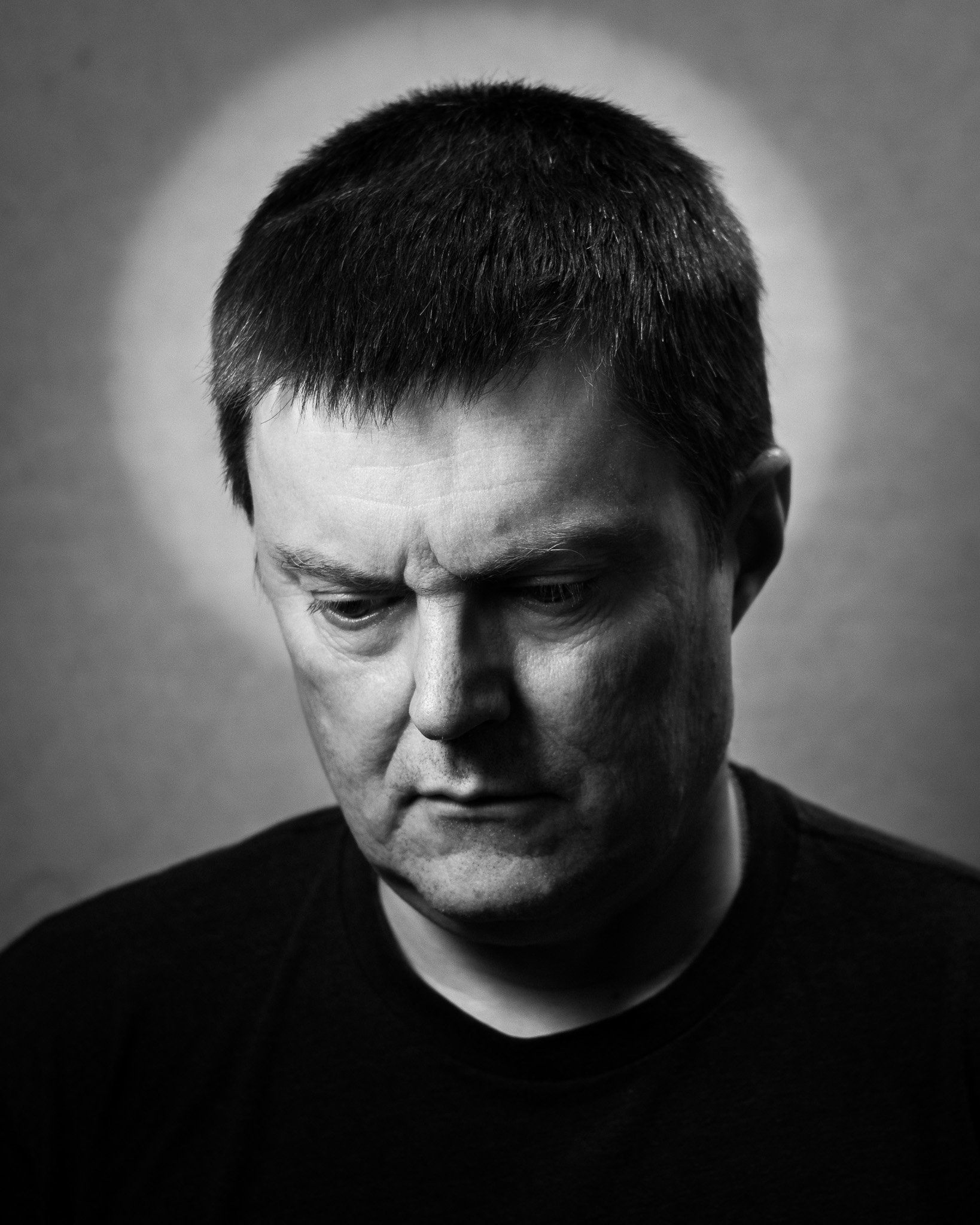
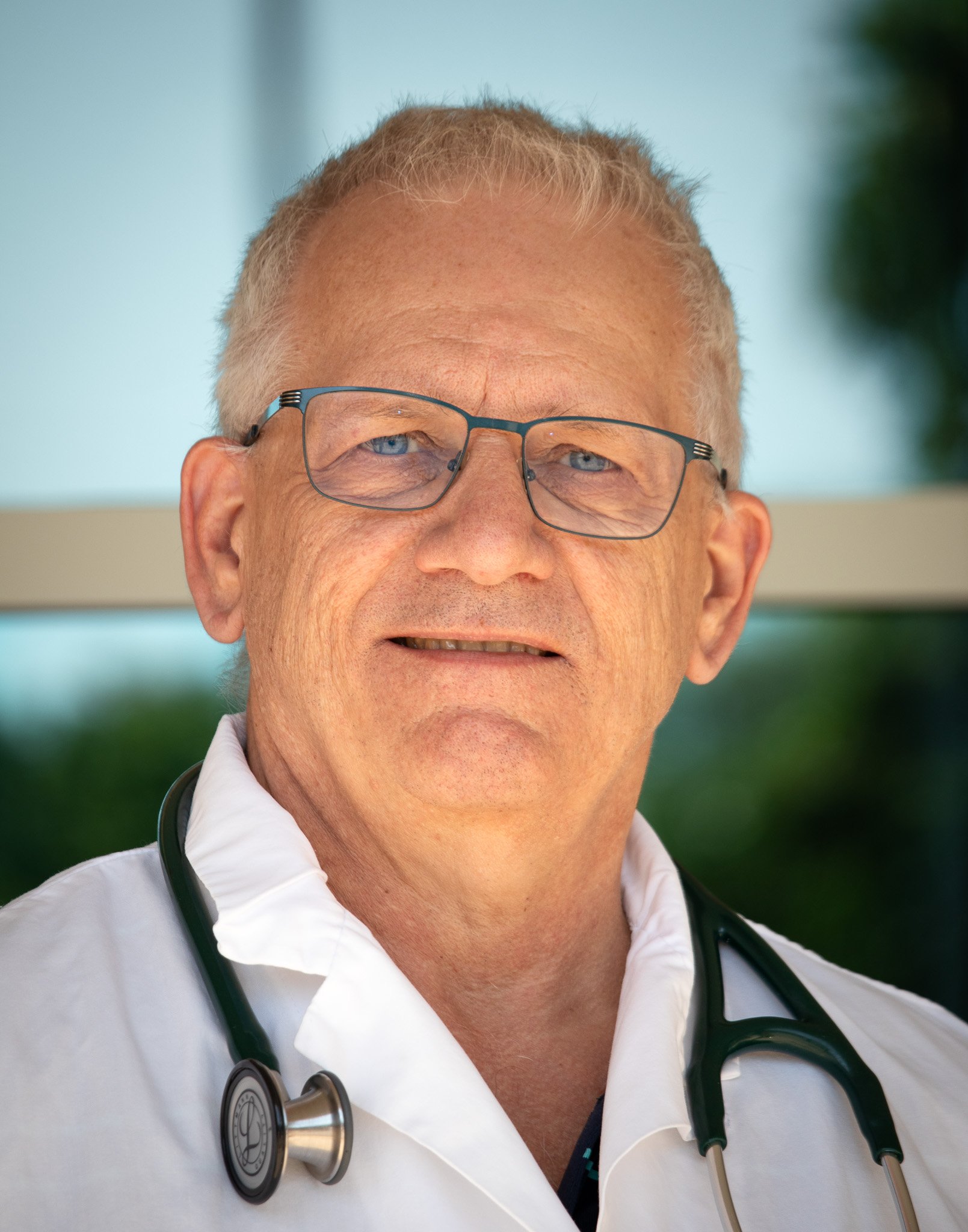
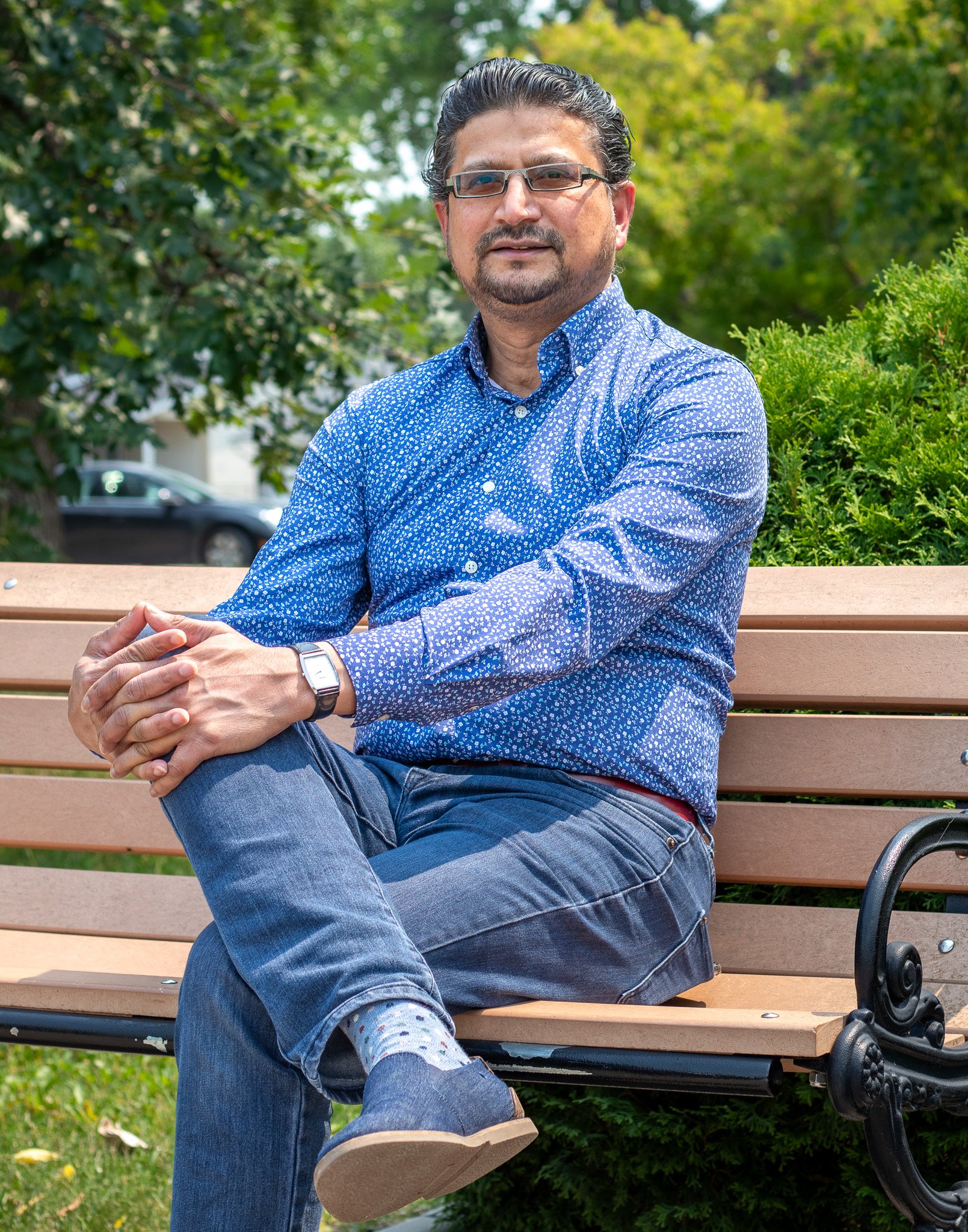
Despite this year’s photographic challenges I committed to this practice and have a bit of studio lighting equipment on order. I hope to do more with studio photography.

Prayer for Unity

We are going through prayers in the Bible as our church’s sermon theme for the summer. This Sunday our text was John 17:20-23, the 2nd part of Jesus’ wonderful prayer for the disciples and the church. Our pastor encouraged us to write new prayers based on these four verses. Here’s what I offered.
Holy One,
You are the unity we seek.
You are the one and only, and in you we live and breathe.
Open our eyes to see you in the other.
Open our eyes to see you in ourselves.
Unity is not ours to create or destroy but is always present in you.
Holy One of Glory,
Open our eyes to encounter your Glory bursting forth in all creation.
May our lives delight and celebrate your Glory in others and ourselves.
Holy One of Love,
Open our hearts to recognize that it is love, your love, that gathers each one of us into your unity.
Tear down the boundaries we build so that your unifying love might flow freely through us to all the world.
In your one and holy name we pray.
Amen

Picturing Winkler at night - Downtown
I got up at 4am this morning to explore some night time photography. Unfortunately, getting up at 4am is not much of a feat for me, as I often wake up around then. I’ve darn hardly any night photography and was curious how it might turn out.
Being out on the streets of Winkler at 4am on a Saturday is an introverts dream. I was out for more than an hour and saw maybe 5 cars and 1 person. I could plant my tripod anywhere I wanted to.


I thought I’d be converting most of these to black and white, but the colors are really intriguing.

Finally at 4 am people are paying attention to this sign.

The person at the right of the image is actually just a silhouette.

Access Credit Union drive thru


City Hall

Even at night the library offers a welcoming space.


Bethel Heritage Park

The nigh-time light is quite amazing to work with.


Rest and Restless

“Our heart is restless until it finds rest in you.” Augustine.
After years of volunteering and then working at The Hermitage, a contemplative retreat center in Three Rivers, Michigan, I eventually learned that the most important gift we had to offer our guests was rest. I would tell retreatants “It is in rest that we most make ourselves available to God.” Rest is a gift to receive and not a state that can be achieved. In rest, we let go of ambitions and the desire to control and learn to improvise with the Spirit. Silence is often a catalyst to rest.
My 21st century self, however, is trained in anxiety and striving, where rest is a luxury available for purchase by the rich. The capitalist rest they sell is only a tool for you to “recharge” and return as a more effective producer/consumer. My Mennonite self is trained in the virtues of hard-working service, and the sense of never doing enough. Is a well-rested Mennonite an oxymoron?
Tricia Hersey’s wonderful book Rest is Resistance, reminds me that the pinnacle of God’s week of creation is not humanity, but rest. Rest reclaims our bodies and our time from being mere economic tools serving the idol of productivity. “Much of our resistance to rest, sleep, and slowing down is an ego problem. You believe you can and must do it all because of our obsession with individualism and our disconnection to spirituality,” Hersey writes.
As attractive as the gift of rest is, we find it so hard to receive. Our restless hearts are addicted to self-validating busyness. Yet, God continues to extend the gift rest waiting for us to empty and extend our hands. May we learn to value the liberating quality of our rest more than the quantity of our productivity.
Originally published in the Canadian Mennonite